The Psychology Behind Slot Machines
The allure of slot machines can be traced back to fundamental elements of psychology. The lure of winning money, combined with the anticipation of what might happen next, creates a cycle that many players find hard to resist. This anticipation is heightened by the sounds and flashing lights associated with wins, which trigger the brain’s reward centers. The constant reinforcement from small wins keeps players engaged, making them feel as if they are close to hitting it big, even if those big wins are rare. For those interested in exploring this further, fast withdrawal casino ontario offers various options that enhance the gaming experience. This psychological manipulation makes every spin feel like a potential life-changer, contributing to a cycle of continuous play.
Furthermore, slot machines utilize a concept known as variable reinforcement, a principle also seen in many popular games. Unlike a simple reward system where players always know when they will win, variable reinforcement means players might win at unpredictable times. This uncertainty creates excitement and keeps players spinning the reels in search of that elusive jackpot, tapping into a human tendency towards risk-taking and hope for reward. This unpredictability can lead to an addictive cycle where players keep returning in the hope of experiencing that rush of winning.
The sensory experience provided by slot machines plays a substantial role in their addictive nature. The bright colors, engaging themes, and varied sounds work together to create an immersive environment that captivates players. With a healthy dose of escapism, players often lose track of time and money while absorbed in this world, making it difficult to step away. This sensory overload reinforces the cycle of play and potential addiction, as players become increasingly engrossed in the experience, often prioritizing it over other aspects of their lives.
The Role of Design in Addiction
Slot machines are meticulously designed to enhance player engagement. The aesthetics, from the visual appeal to the sounds emitted during play, are crafted to create a thrilling atmosphere. Designers use themes that resonate with players — whether based on popular culture, mythology, or even lucky symbols — to draw them in. Each element is strategically placed to evoke strong emotional responses, further binding the player to the experience. This intentional design creates a sense of familiarity and comfort, making players more likely to return.
The use of bright colors and engaging graphics is not just for appeal; these design choices trigger various psychological reactions. For instance, warm colors like red and yellow stimulate excitement and urgency, while cooler colors promote calm and stability. By understanding these psychological dynamics, designers can create an environment that feels rewarding and stimulating, effectively keeping players engaged longer. The combination of visual and auditory stimuli works in unison to craft a compelling experience that players find hard to resist.
Additionally, many slot machines are designed to release rewards at specific intervals, further combining the thrill of anticipation with the sensory stimulation of big wins. This careful structuring makes it easy for players to lose themselves in the game, as they continually chase that next reward, a feeling enhanced by the machine’s design. The combination of visual and tactile feedback creates an addictive cycle that draws players back time and again, seeking more of the same thrilling experience. This cycle of reward and anticipation is a critical factor in the machines’ enduring popularity and addictive nature.
The Impact of Accessibility on Slot Addiction
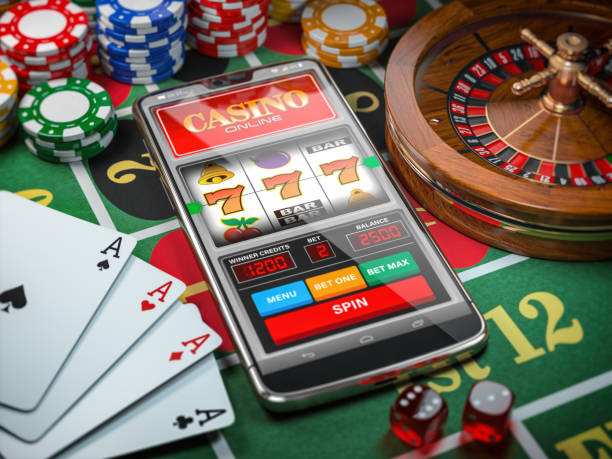
In today’s digital age, slot machines are more accessible than ever. Online platforms provide the convenience of playing anytime and anywhere, adding a layer of temptation that traditional casinos cannot match. With mobile apps and websites available 24/7, players can engage with slots while commuting, at home, or even during work breaks, which heightens the risk of developing an addiction. This constant accessibility means that individuals can easily slip into habitual play without the physical barriers that a traditional casino might impose.
This easy access can lead to a blurring of boundaries regarding gambling for entertainment versus gambling as a compulsive behavior. People often underestimate how quickly time can pass while playing online slots, leading to unexpected financial consequences. The availability of play money for practice also lures new players into trying their luck, which can quickly transition to actual gambling, reinforcing the cycle of addiction. This transition can be particularly insidious, as players may initially feel safe playing with virtual currency, only to find themselves drawn into real-money gambling.
The social aspect of online gambling also contributes to its addictive nature. Many platforms incorporate chat features and social media sharing options, allowing players to share their experiences and wins with friends. This fosters a sense of community around slot playing, which can amplify the enjoyment and subsequent addiction. The fear of missing out on shared experiences can compel individuals to play more frequently, solidifying their attachment to the game. This social reinforcement turns gambling into a shared activity, further embedding it into players’ lives and making it harder to detach.
The Financial Implications of Playing Slots
Playing slot machines often involves financial commitment, which can quickly spiral out of control. Many players are enticed by the prospect of winning large sums of money, leading them to overlook the odds and risks involved. The thrill of potentially winning can blind individuals to the reality that slot machines are designed to favor the house, resulting in significant losses over time for most players. This illusion of control and the belief that one can ‘beat the odds’ often fuels continued play, even in the face of mounting losses.
Additionally, the concept of “chasing losses” is prevalent among slot machine players. This behavior occurs when individuals continue to play in an attempt to recover lost money, often leading them deeper into financial troubles. The emotional highs and lows associated with winning and losing can distort their perception of gambling, causing them to gamble more in hopes of recapturing a previous win or simply to escape the feelings of disappointment. This cycle of chasing losses can create a dangerous financial trap, making it challenging for players to recognize when they need to stop.
Financial implications extend beyond individual players to include societal costs, such as increased debt levels and the need for support services for gambling addiction. Communities often face significant challenges in addressing the impact of gambling, leading to calls for more responsible gambling practices and increased awareness of the risks involved. This economic burden enhances the urgency for education surrounding gambling and encourages discussions about the need for safeguards to protect vulnerable individuals. The financial repercussions of gambling addiction can ripple through families and communities, creating a broader societal issue that necessitates comprehensive support systems.
Educational Resources for Understanding Slot Addiction
Understanding the addictive nature of slot machines is crucial for both players and their families. Education can empower individuals to recognize the signs of addiction and take proactive measures to mitigate risks. Numerous organizations offer resources aimed at educating people about gambling addiction, providing information on how to enjoy gaming responsibly. Such initiatives are vital for fostering a culture of awareness and responsible gambling practices, which can help mitigate the risks associated with slot machine play.
Websites and community programs dedicated to addiction recovery often include valuable insights into the psychology of gambling and effective strategies for managing behavior. These resources help individuals understand their motivations and provide support for those struggling with compulsive gambling behaviors. By fostering awareness, these initiatives aim to reduce the stigma associated with addiction and encourage individuals to seek help when needed. Access to educational materials can be a game-changer, offering tools and strategies for those affected by gambling addiction.
Ultimately, it is essential for players to approach slot machines with a clear understanding of the risks involved. Balancing enjoyment with responsibility is key to ensuring that gaming remains a fun activity rather than a source of stress or financial hardship. Awareness of available resources and support networks can play a vital role in promoting healthier gaming habits and safeguarding against addiction. By prioritizing education and accountability, individuals can enjoy the thrill of gaming while minimizing the risks associated with it.